10 Toxic Flowers Common in Hong Kong to Avoid for Cat Owners
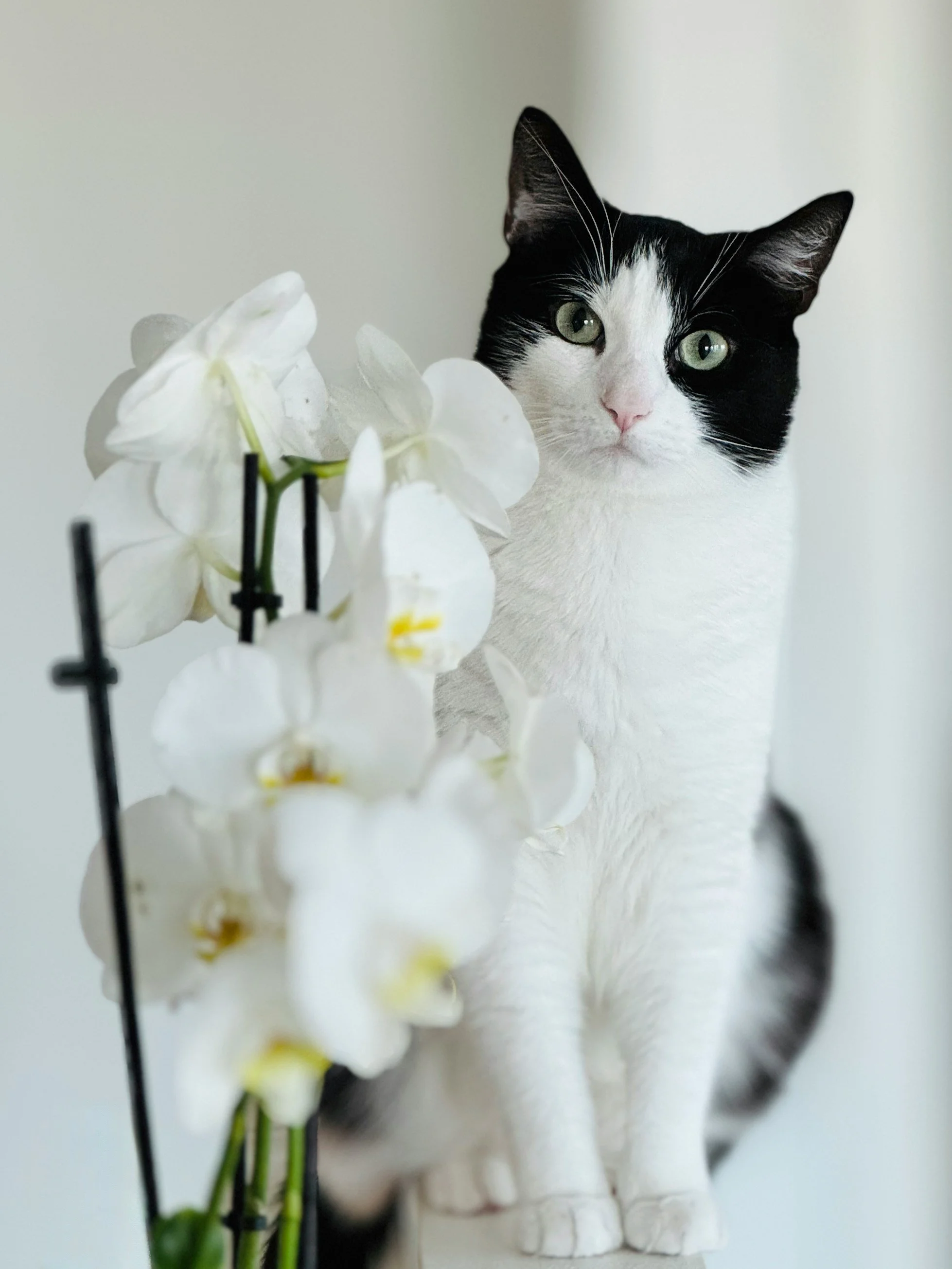
cat with flowers
In Hong Kong, where towering skyscrapers and bustling streets shape daily life, flowers bring a breath of nature into our compact homes, offering a moment of calm in the urban rush. For cat owners, though, choosing the right blooms is a delicate balance. Cats, with their curious paws and nibbling habits, can turn a beautiful bouquet into a health hazard. Many flowers common in Hong Kong’s vibrant flower markets, like Mong Kok’s Flower Market, or gifted during festivals, are toxic to cats, potentially causing everything from mild discomfort to severe illness. As a cat parent, you want a home that’s both a sanctuary for you and a safe haven for your feline friend, where flowers lift your spirits without risking your pet’s health.
Here’s a guide to 10 toxic flowers commonly found in Hong Kong that you should avoid if you share your space with a cat. These blooms are popular in local florist shops, wet markets, or festive displays, but their dangers outweigh their charm. By steering clear, you can combat the stress of potential pet emergencies and keep your home a joyful, worry-free space.
1. Lilies: The Deceptive Favorite
Lilies, such as Asiatic, Oriental, and Easter lilies, are a mainstay in Hong Kong’s flower markets, especially during Lunar New Year and weddings, prized for their elegance and sweet fragrance. For cats, however, they’re deadly—even a nibble or pollen lick can cause kidney failure. In a city where vet visits can strain busy schedules and budgets, avoiding lilies is a must. Swap them for cat-safe roses to keep your home festive and your cat safe, ensuring peace of mind amidst Hong Kong’s fast pace.
2. Tulips: A Festive Risk
Tulips, with their vibrant reds, yellows, and whites, flood Hong Kong’s markets during spring festivals and Valentine’s Day. Their bulbs, stems, and leaves contain glycosides that can trigger vomiting, diarrhea, or heart issues in cats. In small apartments, where curious cats can easily access vases, tulips are a gamble. Choosing non-toxic gerbera daisies instead helps you maintain a cheerful home without the fear of an emergency dash to the vet.
3. Chrysanthemums: A Common Danger
Chrysanthemums, or “mums,” are ubiquitous in Hong Kong, especially during autumn and the Chung Yeung Festival, when their golden, red, and white blooms symbolize longevity. But their pyrethrins can cause vomiting, drooling, or skin irritation in cats. For urbanites craving low-maintenance beauty, avoiding chrysanthemums prevents the stress of a sick pet, letting you enjoy safer blooms like sunflowers that brighten your space without risk.
4. Hyacinths: Fragrant but Harmful
Hyacinths, with their dense clusters of pink, purple, or blue flowers, are a popular choice in Hong Kong’s flower shops for their heady scent, especially in spring. Their bulbs and leaves, however, contain calcium oxalate crystals, leading to oral irritation, drooling, or swallowing difficulties in cats. In a city where space constraints make plants accessible to pets, skipping hyacinths for cat-safe freesias keeps your home fragrant and your cat healthy, easing your urban stress.
5. Amaryllis: A Festive Threat
Amaryllis, with its striking red or white trumpet-shaped flowers, is a Lunar New Year favorite in Hong Kong, often gifted for its bold beauty. Its bulbs and leaves contain lycorine, which can cause vomiting, lethargy, or tremors in cats. In a city where holiday decorations are cherished, choosing non-toxic orchids instead ensures your celebrations stay joyful, free from the worry of a feline health crisis.
6. Azaleas: A Potted Peril
Azaleas, part of the rhododendron family, are common in Hong Kong’s potted plant stalls and garden centers, especially in greener areas like the New Territories. Their bright pink or orange blooms are tempting, but even a few leaves can cause drooling, vomiting, or heart failure in cats. For Hong Kongers seeking greenery, avoiding azaleas protects your cat and preserves your home as a stress-free retreat, with safer options like lisianthus adding elegance.
7. Daffodils: A Misleading Charm
Daffodils, though less common than lilies in Hong Kong, appear in imported bouquets or spring displays, their sunny yellow petals a cheerful sight. Their bulbs and flowers contain alkaloids that can trigger severe vomiting or convulsions in cats. In tight living spaces, where cats can easily investigate, daffodils are a risk not worth taking. Opt for cat-safe alstroemeria to keep your home vibrant and your cat out of harm’s way.
8. Oleander: A Rare but Risky Guest
Oleander, occasionally found in Hong Kong’s outdoor planters or as an ornamental shrub in upscale estates, is a stunning but deadly plant. Every part contains toxins that can cause heart arrhythmias or death in cats. For urban cat owners, avoiding oleander—whether in your home or during outdoor walks—ensures your pet’s safety, letting you focus on the emotional uplift of cat-safe blooms like statice.
9. Cyclamen: A Delicate Danger
Cyclamen, with its soft pink or white petals, is a popular potted plant in Hong Kong’s flower shops, especially during cooler months. Its roots, however, are highly toxic, causing severe gastrointestinal distress or heart issues in cats. In compact apartments, where cats can dig into pots, cyclamen is a hidden threat. Choosing non-toxic snapdragons instead keeps your home stylish and your cat safe, combating the stress of urban living.
10. Bird of Paradise: Exotic but Hazardous
Bird of Paradise, with its dramatic orange and blue blooms, is a trendy choice in Hong Kong’s upscale florists and hotel lobbies, often used for statement arrangements. Its seeds and leaves can cause vomiting and drowsiness in cats. For city dwellers craving bold decor, avoiding this exotic plant prevents unexpected vet visits, letting you enjoy cat-safe gerbera daisies for a vibrant, worry-free home.
Why Avoiding These Flowers Matters
In Hong Kong’s high-pressure, fast-paced world, your home is a haven for you and your cat, a place to recharge and find calm. Toxic flowers, so common in local markets and festive gifts, can disrupt that peace with the threat of illness, costly vet bills, or worse. By avoiding these 10 blooms and choosing cat-safe alternatives like those found in Mong Kok’s Flower Market or trusted florists, you protect your feline companion while preserving the mood-lifting, stress-relieving power of flowers. Always check bouquet labels, ask florists about plant safety, or consult resources like the ASPCA’s toxic plant list. Your cat’s playful pounces and your own tranquility deserve nothing less.